
Dental Crowns – Fort Worth, TX
Restore Your Tooth’s Strength and Appearance

Many people have teeth that are damaged by infection or injury or were simply misshapen to begin with. Thankfully, dental crowns from Care 32 Dental can be a fantastic way to rebuild or reshape a compromised tooth in a way that allows it to remain healthy and functional for many years. Here’s a quick look at how dental crowns work and the benefits they can provide, but please feel free to schedule a consultation if you’d like to know more.
Why Choose Care 32 Dental for Dental Crowns?
- Compassionate and Experienced Dental Team
- Restore Compromised Dental Structure
- Insurance Welcomed
What Is a Dental Crown?
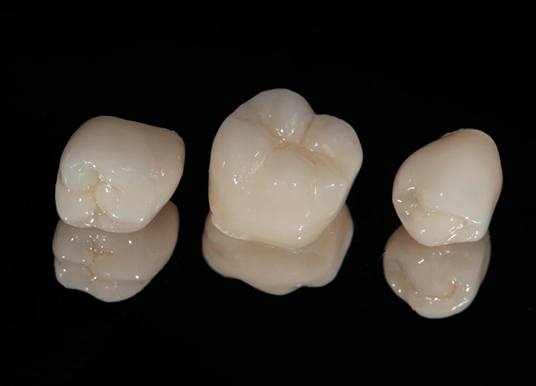
A dental crown is a restorative device designed to be placed over a tooth compromised by infection and injury so it can function normally while being protected from further damage. Each of these appliances will be customized to match the natural curvature of the patient’s smile and ensure a comfortable fit, and our crowns are made from tooth-colored materials so they blend in with the rest of your smile. Virtually everyone with severely damaged or misshapen teeth can be an excellent candidate for dental crowns, but we may have to perform restorative work to eliminate oral infections like tooth decay and gum disease before the devices can be placed safely.
The Dental Crown Process
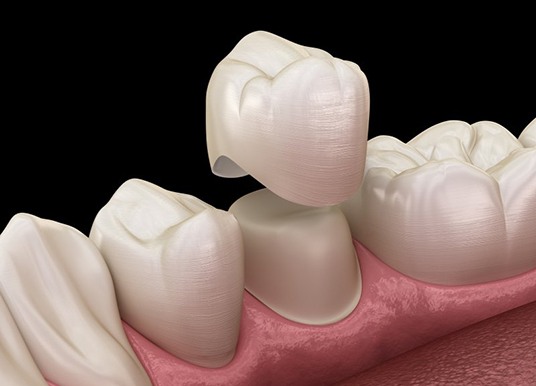
Dental crowns are placed through a specialized two-part process, and the first step to receiving these appliances is to schedule a consultation at our Fort Worth office. It may be necessary for us to resolve oral infections with suitable restorative treatments before the devices can be placed.
Once you are ready, we will schedule you for the first appointment, which will involve our dentist administering an appropriate anesthetic to keep you comfortable before reshaping your teeth, taking detailed bite impressions, and fixing temporary veneers in place. You’ll come back to our office after we receive your final crowns about two weeks later, at which time we will carefully remove your temporary restorations and cement your final appliances in place. After we make any final adjustments and ensure you receive detailed aftercare instructions, we’ll send you on your way to enjoy your newly restored smile.
The Benefits of Getting a Dental Crown

Neglecting to get a needed dental crown can allow a damaged tooth to break down further, which can lead to its loss as well as dental misalignments, gum injuries, and jawbone atrophy. Receiving a necessary crown, on the other hand, can deliver a variety of impressive benefits like:
- Restoring lost chewing power.
- Protecting the treated tooth from infection and injury so it can last much longer than it would otherwise.
- Addressing multiple dental defects with a single treatment.
- Rebuilding lost dental structure with lifelike tooth-colored materials so the patient can enjoy a gorgeous smile.
You can keep your dental crowns in excellent shape for up to fifteen years or more if you practice excellent oral hygiene and visit our office every six months for routine exams and cleanings.
Understanding the Cost of Dental Crowns
It’s natural to have questions if you’ve just learned that you need a dental crown, and one of the first things many patients want to know is how much their treatment might cost. Our team would love to provide an estimate in advance, but the answer depends on your unique circumstances.
Once we have examined your teeth and know what’s needed to restore your smile, we can happily provide more detailed pricing information. Continue reading to learn more about how the rate is determined and how our practice helps make dental care more affordable!
Factors That Affect the Cost of Dental Crowns
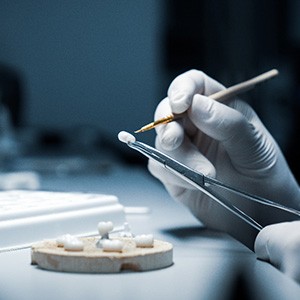
Your restoration is customized to be as unique as the teeth you were born with, and there are a few different factors that can potentially affect your final invoice, including:
- Other required services. If you require other procedures before proceeding, such as a root canal or placing a dental implant, you will be responsible for paying for those treatments, as well.
- The type of materials used. The tooth-colored ceramic we use may cost more than amalgam prosthetics, but it is less likely to cause metal allergies, sensitivity, or other complications.
- How it’s made. The type of technology used to design and build your covering may affect the total amount due.
It’s natural to wonder whether it’s safe to choose the cheapest options, but keep in mind that a well-made product with a higher price point is also more likely to look more realistic, fit more comfortably, and last longer than a less expensive restoration.
Does Dental Insurance Cover Dental Crowns?

Many dental insurance policies cover 50% of the cost of major procedures, such as getting a dental crown. However, every plan is different, and there are no guarantees, so it’s worth checking your details to understand what’s included. Furthermore, there may be other restrictions, like an annual deductible amount or a waiting period that must pass, before benefits can be applied.
If you’re unsure whether your insurance includes your treatment, please feel free to ask our office staff for assistance. They’re familiar with different plans and can help you maximize any available advantages.
Options for Making Dental Crowns Affordable

If you’re uninsured and are worried you can’t afford your dental crown, don’t lose hope. Our team understands that not all patients carry a policy, but don’t want your current financial situation to prevent you from undergoing potentially smile-saving procedures.
As a result, we also offer the following options to help make our services more affordable:
- In-House Savings Plan. For a flat rate of $195 per year, you gain access to 2 free exams and X-rays, as well as an additional 25% to 50% discount on other treatments.
- Flexible Financing. We have also partnered with third-party vendors, such as Cherry, Sunbit, Alphaeon, and CareCredit, to offer low- to no-interest payment packages that allow you to divide your total invoice into more manageable installments if your application is approved.
Dental Crowns FAQs
What Are Dental Crowns Made From?
In the past, dentists relied on silver crowns made of amalgam mixtures of metal and liquid mercury, which sometimes posed certain health risks or caused metal allergies or other sensitivities.
Thanks to advancements in dental methods and technology, today, our team in Forth Worth provides lifelike, tooth-colored restorations made from resilient ceramic instead. This biocompatible material can be customized so your new tooth matches your natural enamel’s size, shape, and color, for beautiful, seamless results that enhance your appearance and boost your self-esteem.
Are Dental Crowns Permanent?
Dental crowns are not always technically considered permanent, because they sometimes are damaged or wear down over time, resulting in repairs or replacement. With that said, they’re not intended to be removed once they’re cemented in place, so they’re often thought of as a long-term solution rather than a permanent one.
It’s also worth noting that our team must remove a small amount of enamel for the covering to fit correctly without looking awkward or contributing to a misaligned bite. This protective outer layer doesn’t regenerate, meaning this treatment also involves irreversible changes to the underlying tooth's structure.
Do Dental Crowns Get Cavities?
If you’re concerned that your new dental crown might develop cavities, you can thankfully set your concerns aside. These restorations are made from resilient ceramic rather than the same organic materials as your enamel. That means the bacteria in your mouth can’t erode them to cause decay or disease.
However, the underlying teeth and gums are still at risk of developing oral issues, which can potentially cause the cap to fail. You can prevent this by brushing and flossing twice daily, avoiding overly acidic and sugary foods, and scheduling a routine checkup and cleaning with our team every 6 months.
How Long Do Dental Crowns Usually Last?
It’s natural to wonder how long your new restoration will last, and the good news is that you’ll likely be able to enjoy its many benefits for years to come. These covers often last 5 to 15+ years if cared for properly, though their lifespan depends on your unique circumstances, hygiene, and habits.
For instance, it might wear down or fail faster if you tend to grind your teeth at night, which can sometimes be avoided with a custom-fitted nightguard. Also, neglecting your twice-daily oral hygiene routine can result in dental concerns, like cavities or gum disease, that can destabilize or dislodge it. You should also avoid using your teeth as tools to open bottles or packages, which can chip, crack, or break your prosthetic.